



Advertisement
Advertisement
The year 2024 has emerged as a pivotal moment in the world of music. The ascendancy of Chappell Roan has sparked a whimsical light even among the most skeptical pop critics. Charli XCX's ‘brat’ era has achieved the status of a cultural phenomenon. Billie Eilish’s creative brilliance has produced a series of hits defining a generation, and undoubtedly, the record-shattering Eras Tour continues to resonate deeply with fans across the globe.
However, amid this excitement dominating our social feeds, the reports of major festival cancellations have cast a shadow over Australian music enthusiasts. Over the past eighteen months, events like Falls Festival, Splendour In The Grass, Groovin the Moo, Spilt Milk, Bluesfest, Harvest Rock, and others have announced either indefinite hiatuses from the touring cycle or have been canceled altogether.
Each festival has cited varied reasons, yet it's evident that financial burdens play a significant role. According to a study by Creative Australia published in April this year, the average cost of organizing a music festival is approximately $3.9 million, with one in three festivals operating between 2022 and 2023 reporting financial losses. Nearly half (47%) of the festivals surveyed indicated that escalating operational costs have severely impacted their ability to host events, while 31% specifically highlighted the rising costs related to insurance, police, and security needs — in addition to climate change-induced weather challenges — as significant hurdles.
Furthermore, audiences have been slow to return to festivals post-pandemic. The same report noted that Australians are attending fewer music events than before 2020, with 55% stating that the cost of tickets is the primary barrier to attendance.
Despite these challenges, some festivals are thriving. So what’s their secret? We reached out to industry insiders making it work in 2024 to uncover their strategies.
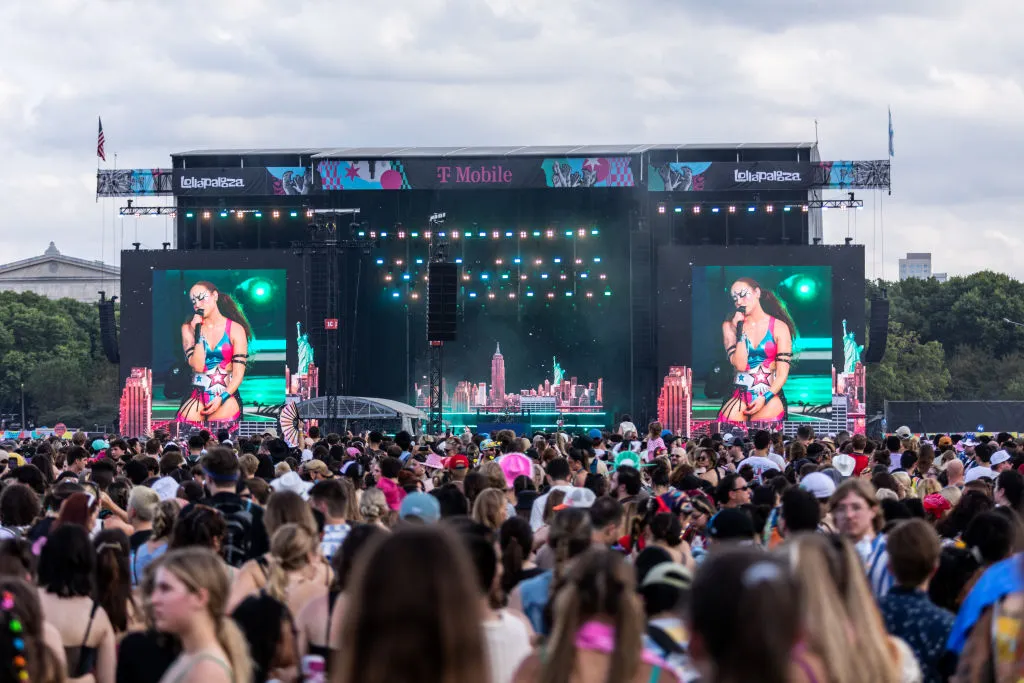
Image Credit: Natasha Moustache/Getty Images
How are music events thriving in 2024?
Many festival-goers are familiar with the transformative and uplifting experiences music festivals can offer — moments shared with friends, watching your favorite artists while the mundane realities of everyday life are put on hold for the weekend, are truly invaluable.
On a more practical level, festivals are a vital component of the live music ecosystem, providing significant opportunities for local artists, industry professionals, vendors, and boosting tourism in regional areas.
Last year, the Texas-based festival South by Southwest (SXSW) made its debut in Sydney, bringing notable artists such as Chance The Rapper, Japanese punk band Otoboke Beaver, viral sensations Flyanna Boss, and 200 more artists to perform across various gigs and panels.
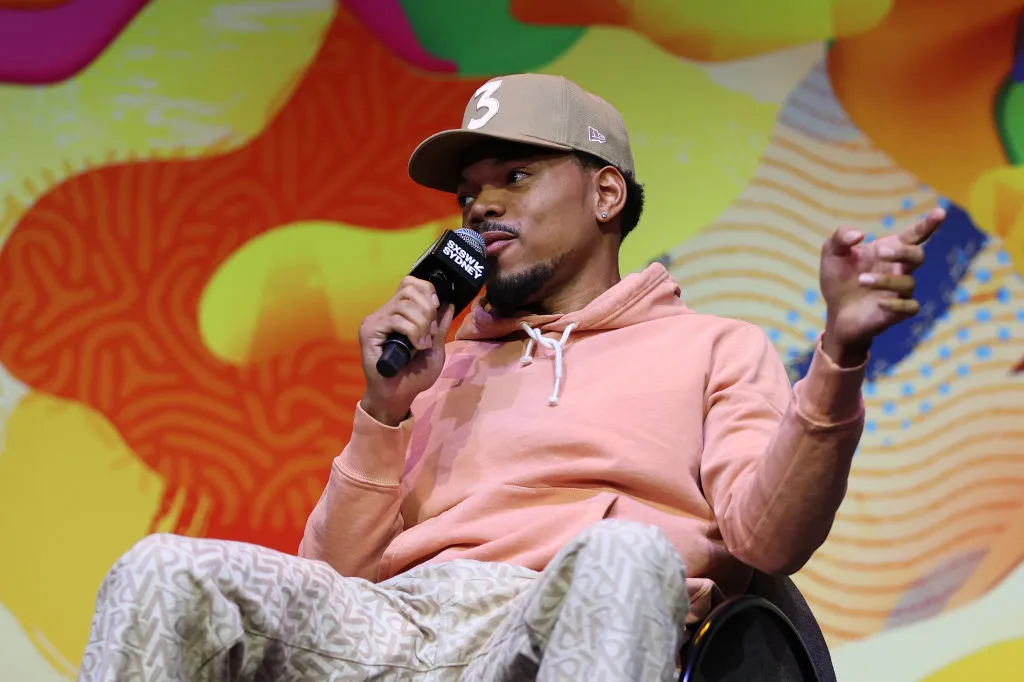
Image Credit: Brendon Thorne/Getty Images
For SXSW Sydney’s Head Of Music Claire Collins, the success lay in tapping into the unquenchable thirst people have for reviving Sydney’s nightlife culture.
“It was incredibly exciting to see Sydney embrace the multitude of events,” she shared with PEDESTRIAN.TV. “The most frequent comment I heard was, ‘Sydney hasn’t been this lively since the Olympics’.”
Originating in Austin, SXSW isn’t your typical outdoor multi-stage festival. In the US, artists like Amy Winehouse, The Flaming Lips, The White Stripes, and others have delivered career-defining performances at the festival over the years — performances that would have sent hipster blogs into a frenzy and generated a pre-social media buzz. It’s a meticulously curated event catering to those passionate about the ‘next big thing’ in culture, and last year, it sold nearly 35,000 tickets in Australia.
“We have a rather unique model focused on music discovery — that ‘I saw them first’ moment,” Collins continued, revealing that she saw Billie Eilish perform to “about 30 people” in 2017.”
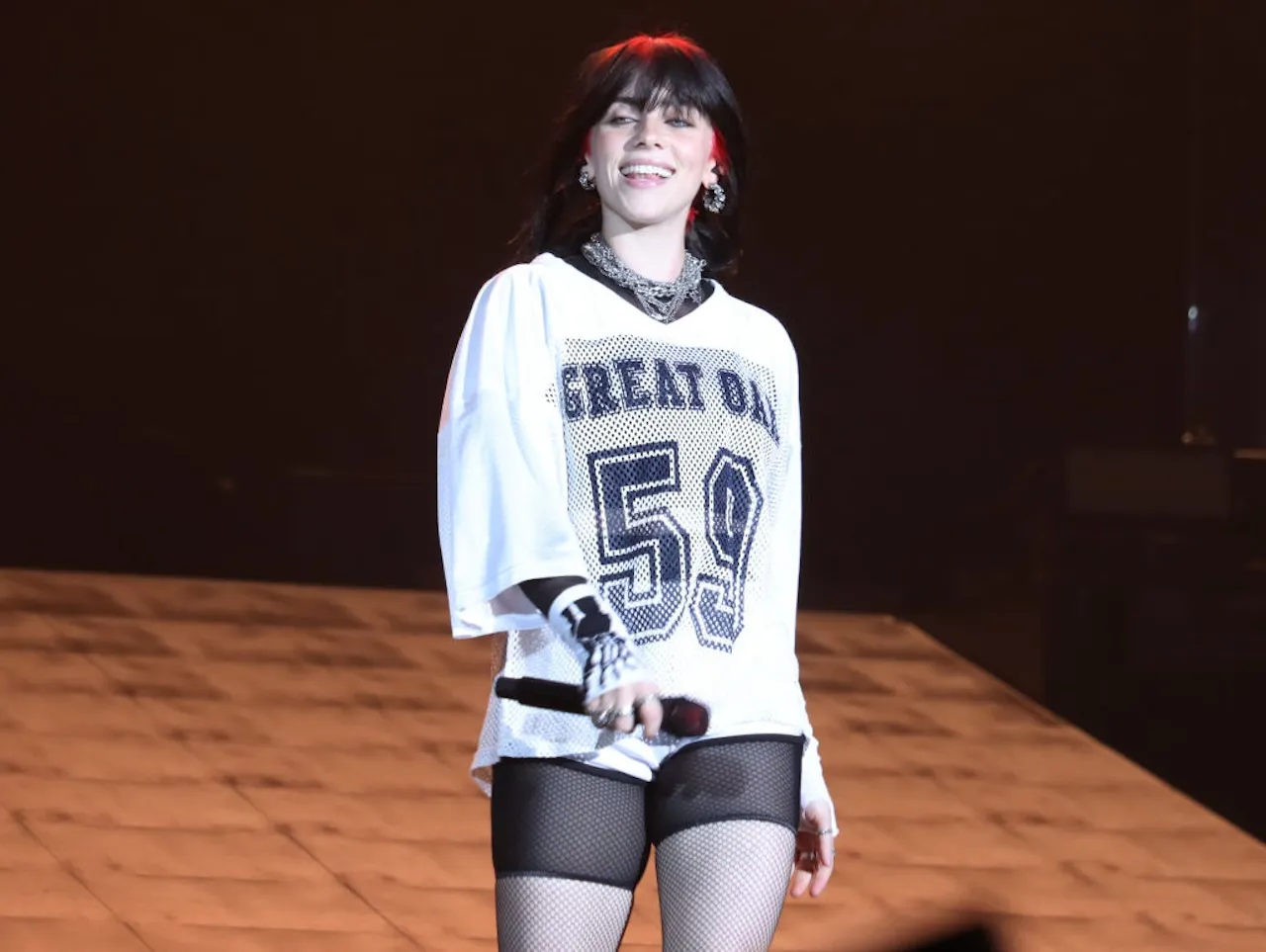
Billie Eilish regularly sells out stadiums and has won nine Grammy Awards… so witnessing her before she became a global sensation is the ultimate brag. (Photo: Getty.)
SXSW Sydney is making a return to Australia in 2024, with Collins expressing optimism about the future of events.
“I think we are in a transitional phase: if there are no events to perform at, international agents and artist teams will adjust their fee expectations, and a new wave of promoters and music enthusiasts will organize new events to cater to fans. It’s all cyclical.”
NSW boutique festival Lost Paradise is one of the few multi-day events thriving, yet founder Simon Beckingham acknowledges that managing costs has been challenging, revealing the need to be “more aggressive” in offers to secure talent for the 2024 lineup.
“We’ve been working on expanding the capacity for two years now, so hopefully, that will come to fruition, allowing us to gradually grow the event to meet these rising costs while continuing to deliver a product that satisfies our guests,” he told PEDESTRIAN.TV.
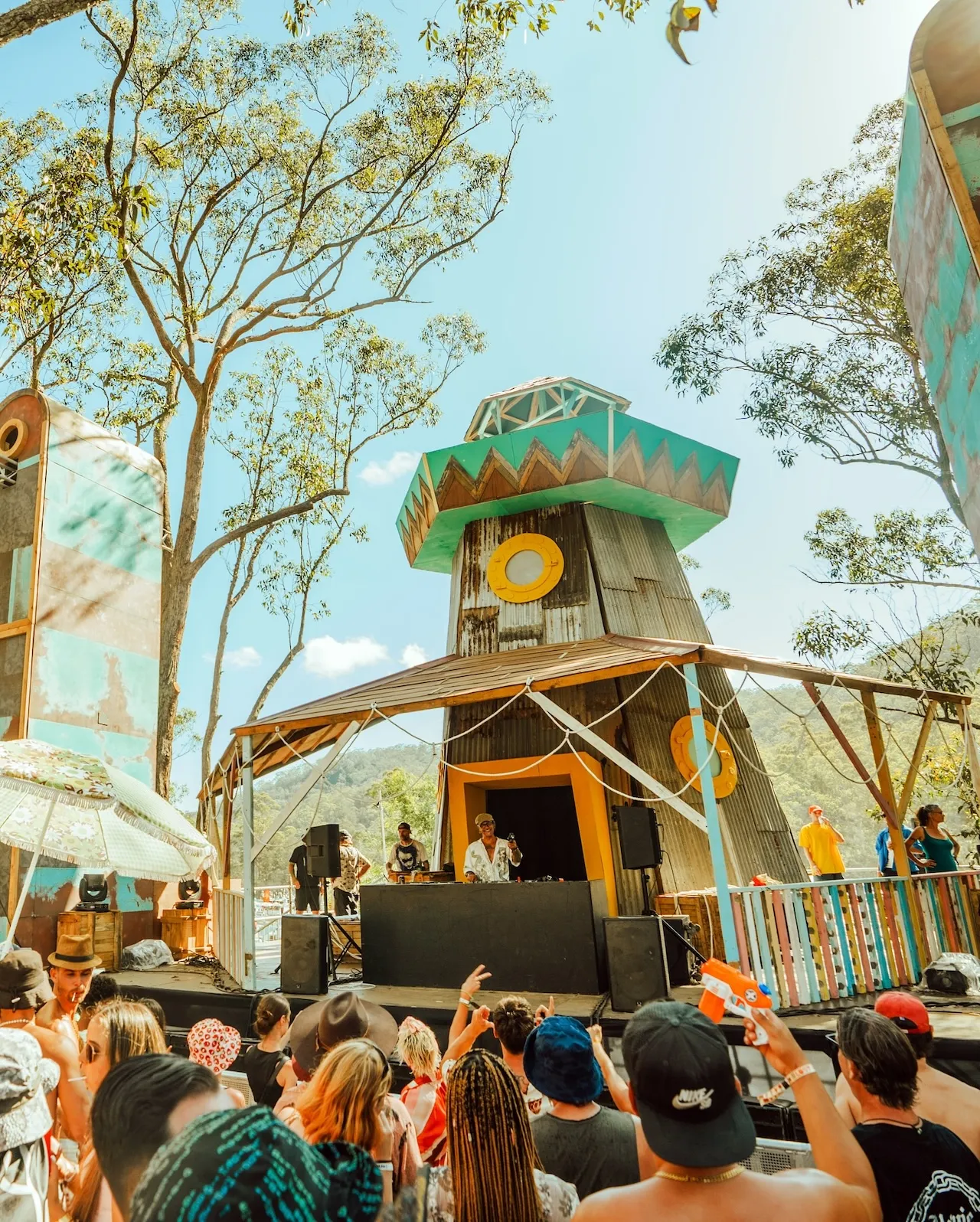
Lost Paradise is dedicated to providing memorable moments between sets, alongside a stellar lineup. (Photo: Lost Paradise / Instagram.)
The three-day festival hosts 15,000 attendees in the Glenworth Valley each New Year, focusing on buzzworthy house and techno artists, nostalgic, offbeat pop icons, and major indie acts (this year’s lineup features mainstream-leaning Australian acts Fischer and Flight Facilities, alongside Berlin trance artist Marlon Hoffstadt, UK house artist Denis Sulta, and UK garage DJ Sammy Virji).
According to Beckingham, the real key to Lost Paradise’s success in a challenging market is providing “a strong sense of community, experiential experiences, and something out of the ordinary” from typical festivals.
“Understanding your audience is more crucial than ever,” Beckingham emphasizes.
“Our audience generally arrives as part of larger social groups of friends, then they meet others and make new friends year after year.”
Most people who have attended a camping festival know it’s the moments in between the mainstage performances that you end up reminiscing about for years after you leave — moments that the LP team works tirelessly to create.
“[We want attendees to experience that] chance encounter, a great chat at the campsite, a pottery lesson in Shambhala Fields, an adventure through the festival after dark, a NYE kiss, or simply meeting like-minded friends, both new and old,” Beckingham shares.
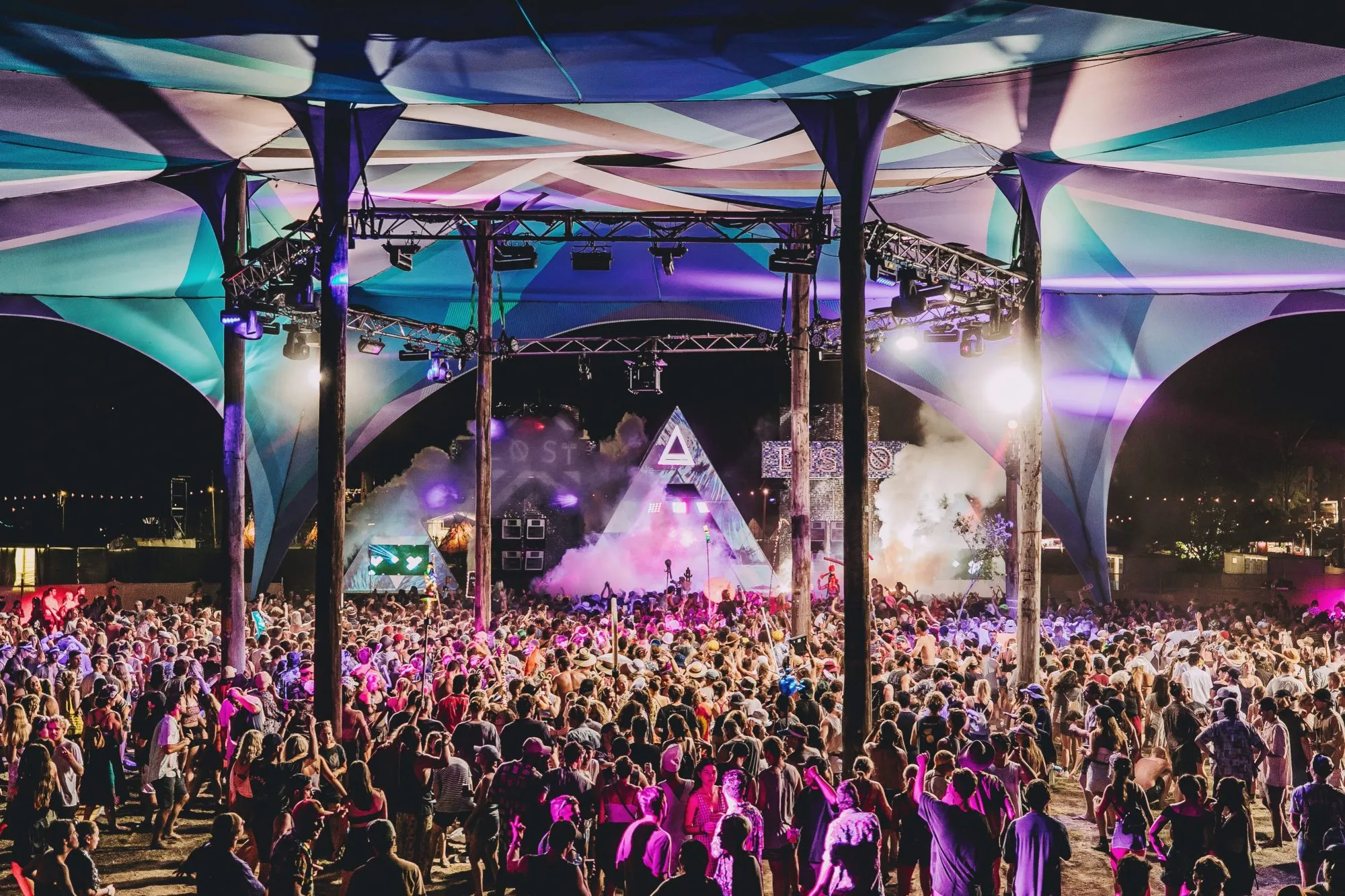
Photo Credit: Jordan Munns
On a smaller scale, the team behind Transgenre, a local mini-festival that highlights trans, non-binary, and gender-diverse artists, understands the importance of community in organizing a successful festival. Founders Tim Blunt and Ellie Robinson wanted to create a space for people who “were desperately longing for an environment where our community could thrive and appreciate one another in a joyful and hopeful way,” explained Blunt.
“After decades of trans and queer communities having our requests blatantly ignored for Australian festivals to curate lineups that truly reflect their audiences, we finally decided to take matters into our own hands,” Blunt continued.
The 2023 all-ages event sold out and featured acts like Cry Club, Those Who Dream, FVNERAL, Cherish, and more. While Blunt acknowledges that the cost of living crisis is a significant barrier to people attending live music currently, they also believe that mainstream festivals struggle to reflect the diversity of their audiences.
“I think festival-goers are making it clear that what’s being offered simply isn’t worth the price of admission. While I agree that there’s definitely a level of fragility for the bigger, mainstream festivals, we shouldn’t pretend that people aren’t attending live music at all — they’re just seeking it out in spaces and communities that have historically been and continue to be overlooked by the music industry,” they noted.
Transgenre 2023 was a labor of pure love and passion, with both Robinson and Blunt investing their personal finances and calling in favors from friends to serve their broader community, with the aim of watching their platform flourish.
“It’s incredibly expensive to simply exist as a trans person — gender-affirming care is almost entirely self-funded, so Ellie and I had to plunge ourselves into personal debt and work tirelessly to try and climb out of the red. I should mention that while it was an anxiety-driven struggle, there’s a significant amount of privilege required to even consider taking that risk. We knew that before the festival’s first edition, we didn’t have any evidence that it would be successful, so hopefully now that we do, it will only continue to grow.”
These concepts of belonging and creating moments for a specific community aren’t new — they merely fell by the wayside as multi-genre mega-festivals took precedence throughout the 2000s.
The inception of the modern music festival as we know it, 1967’s Monterey Pop Festival, was based on the foundation of celebrating the counter-cultural hippie and flower power movement of the time, attracting 90,000 people. Years later, the Vans Warped Tour, the largest and longest-ever running touring festival, was founded on DIY and punk roots and dedicated its run to showcasing pop punk, emo, metalcore, and hardcore bands. The Australian heavy music scene has also successfully championed this concept for years, and currently, the success of Sydney hardcore luminaries Speed is proof that fostering a community surpasses all.
There’s no definitive way to know whether the festivals being canceled simply missed the cultural mark or if they are another domino falling amid an economic crisis.
In the music world, being in the right place at the right time is crucial, and capitalizing on the zeitgeist is everything. However, community, culture, and identity are the pillars of why people want to be part of something bigger than themselves, and this theory has been validated time and again.
Main image: Getty
Advertisement
Advertisement


Advertisement


