



Advertisement
Advertisement
Plug-in hybrid electric vehicles (PHEVs) represent an intermediate solution for individuals seeking to experience electric driving while not being fully prepared to abandon internal combustion engines (ICEs) entirely.
The key distinction between PHEVs and conventional hybrids lies in their battery systems. PHEVs are equipped with larger batteries that can be plugged into an external power source and recharged, similar to fully electric vehicles (EVs).
This enhanced battery capacity enables PHEVs to operate in pure electric mode for significantly extended distances compared to standard hybrids. Theoretically, if your daily driving involves mostly shorter trips, you'll likely find yourself utilizing electric mode for the majority of your journeys.
However, should you occasionally embark on longer road trips, the internal combustion engine in a PHEV stands ready to cover those extended distances. This allows you to drive it like a conventional vehicle without concerns about depleting your electric range and needing to locate charging stations.
While PHEV technology has existed for some time, these vehicles have historically not gained widespread popularity in Singapore until recent developments. It appears that an increasing number of Singaporean drivers are now recognizing the advantages of PHEVs, with several new models having been introduced to the local market over the past few months. Here are five noteworthy options to consider:
BYD Sealion 6
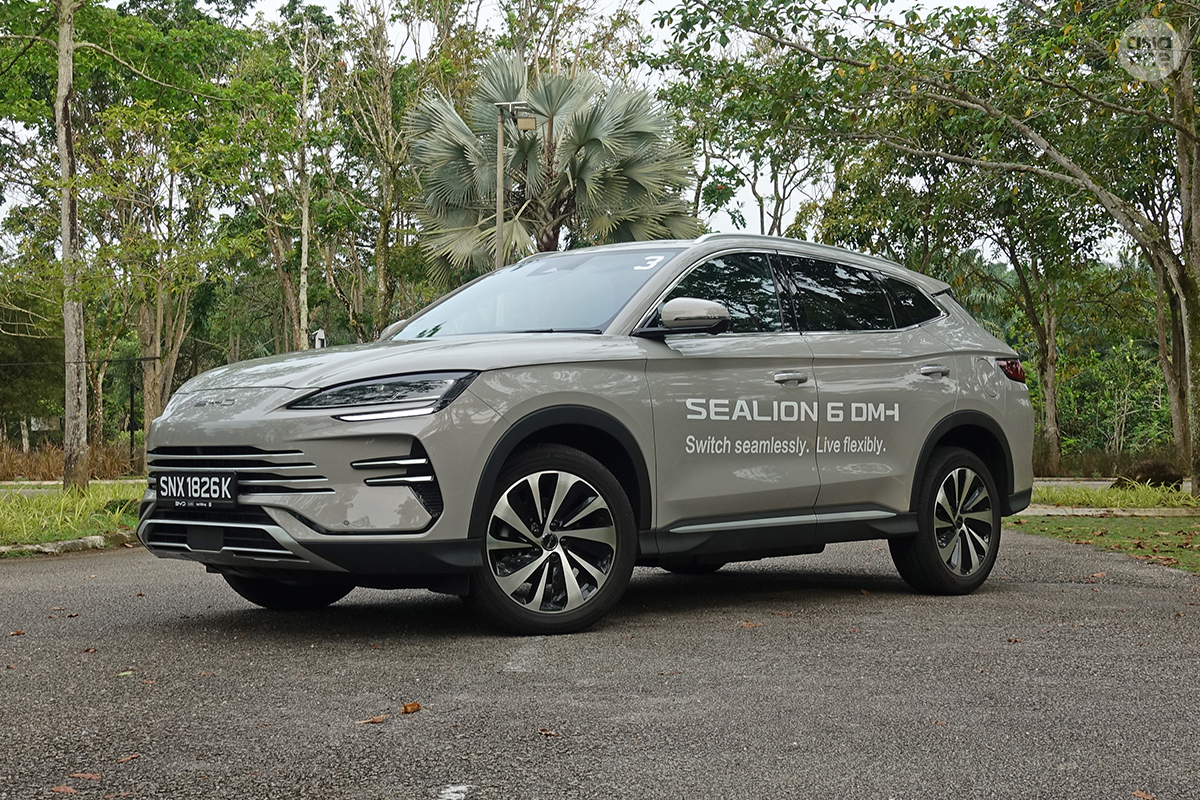
PHOTO: AsiaOne/Ben Chia
What is it? As BYD's inaugural PHEV offering in Singapore, the Sealion 6 represents an SUV configuration that should appeal to numerous drivers in the local market.
Why is it worth considering? If you're interested in joining the BYD movement but aren't quite prepared to transition completely to electric vehicle lifestyle, the Sealion 6 presents itself as an ideal PHEV alternative.
BYD Sealion 6 1.5 DM-i
Battery size: 18.3kWh
Electric range: 80km
Total range: 1,100km
Combined power: 218hp
Combined torque: 300Nm
During our evaluation of the Sealion 6 on a road trip across Malaysia, we determined it performed adequately for the assignment. The vehicle delivers mostly comfortable and refined driving characteristics, though it does encounter some challenges when ascending steep inclines with a full complement of passengers and cargo.
The Sealion 6's interior provides generous space and comprehensive equipment, though it doesn't quite achieve the premium feel of its fully-electric counterpart, the Sealion 7. Nevertheless, it offers abundant storage solutions along with practical features including dual wireless charging pads and a panoramic sunroof, creating a relatively pleasant cabin environment.
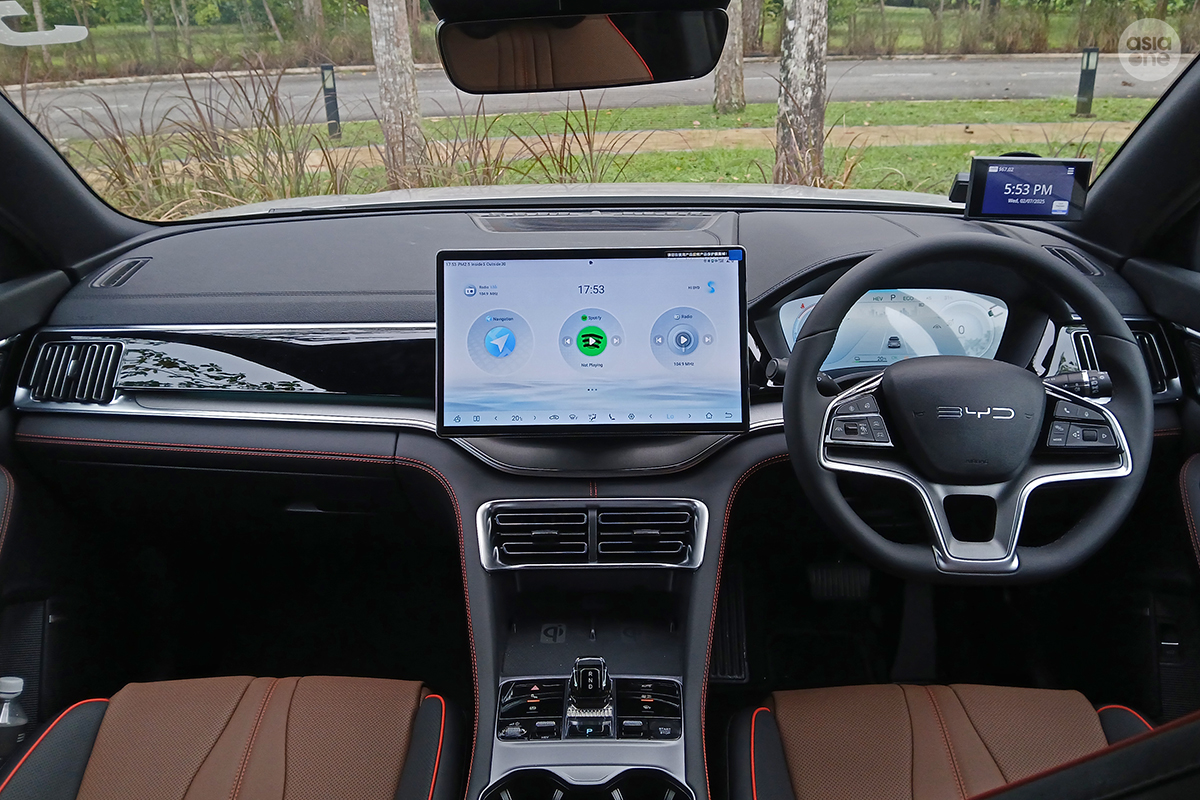
PHOTO: AsiaOne/Ben Chia
As a plug-in hybrid vehicle, the Sealion 6 proves itself quite capable for its intended role. While it may not excel spectacularly in numerous areas, it delivers functional performance that aligns well with its design purpose.
Its listed price of $233,388 including COE (as documented in October 2025) positions it somewhat toward the premium end of the spectrum, but at minimum you'll acquire a competent PHEV from an established manufacturer like BYD, making it a reasonably safe choice.
Jaecoo J7
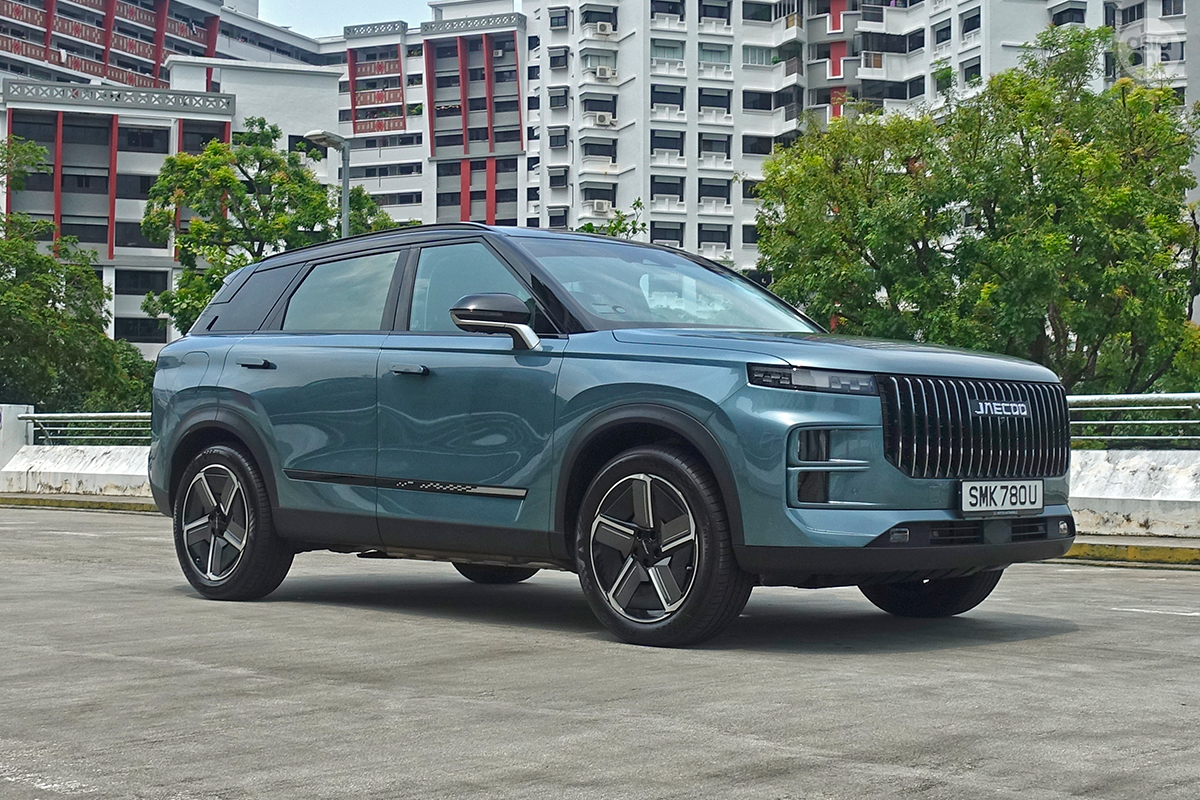
PHOTO: AsiaOne/Ben Chia
What is it? The Jaecoo J7 PHEV combines robust exterior styling with exceptional long-distance driving capabilities.
Why is it worth considering? Among the most significant potential advantages of PHEVs is their capacity to deliver impressively extended driving ranges, provided the electric powertrain and combustion engine are properly engineered to achieve this objective.
The Jaecoo J7 stands as a prime illustration of this capability, boasting one of the longest claimed ranges among currently available PHEV models in the marketplace.
Jaecoo J7
Battery size: 18.3kWh
Electric range: 90km
Total range: 1,200km
Combined power: 341hp
Combined torque: 525Nm
With careful driving techniques, it's theoretically possible to travel from Singapore to Thailand in the J7 using just a single full charge and tank of fuel.
However, achieving this would require restraining yourself from utilizing the J7's abundant power reserves, which otherwise provide surprisingly spirited performance. Overtaking maneuvers become effortless in the J7, with substantial power remaining available for maintaining high speeds over extended distances.
That being acknowledged, the vehicle does exhibit certain imperfections. While generally refined and quiet in operation, the suspension system feels excessively soft under normal conditions, yet paradoxically delivers a bumpy ride when traversing uneven road surfaces.
It doesn't rank among the most dynamic vehicles in terms of handling, though this is somewhat expected for an SUV of this category. The braking system also presents room for enhancement, with the pedal demonstrating inconsistent response during application.
As a sport utility vehicle, the J7 unquestionably meets expectations. Its angular design language, highlighted by the substantial chrome grille at the front, creates a commanding presence. Combined with its slender headlight and taillight clusters, the J7 evokes visual similarities to a compact Range Rover.
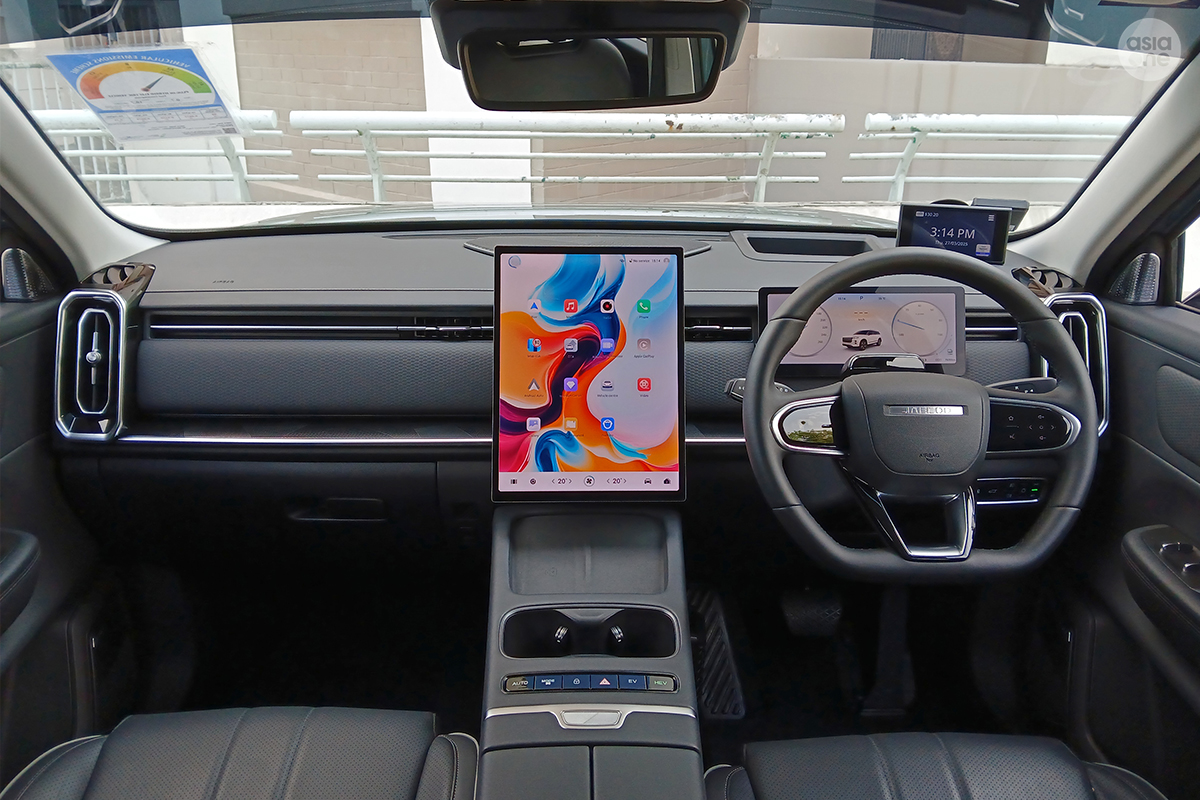
PHOTO: AsiaOne/Ben Chia
The interior follows the minimalist design philosophy common to many contemporary Chinese automobiles, with the dashboard dominated by a large 14.8-inch touchscreen display oriented in portrait configuration. The interface software proves relatively user-friendly, which significantly compensates for the scarcity of physical control buttons.
The cabin also provides exceptionally generous space, with ample room for rear-seat passengers alongside a cavernous trunk offering 500 liters of capacity, expandable to 1,265 liters when the rear seats are folded downward.
While the J7 might not deliver the most exhilarating driving experience, it certainly fulfills requirements for buyers seeking a spacious, rugged-appearing PHEV with exceptional range capability. Considering everything it offers, the J7's asking price of $239,999 including COE (as recorded in October 2025) appears almost remarkably reasonable.
Mazda CX-80
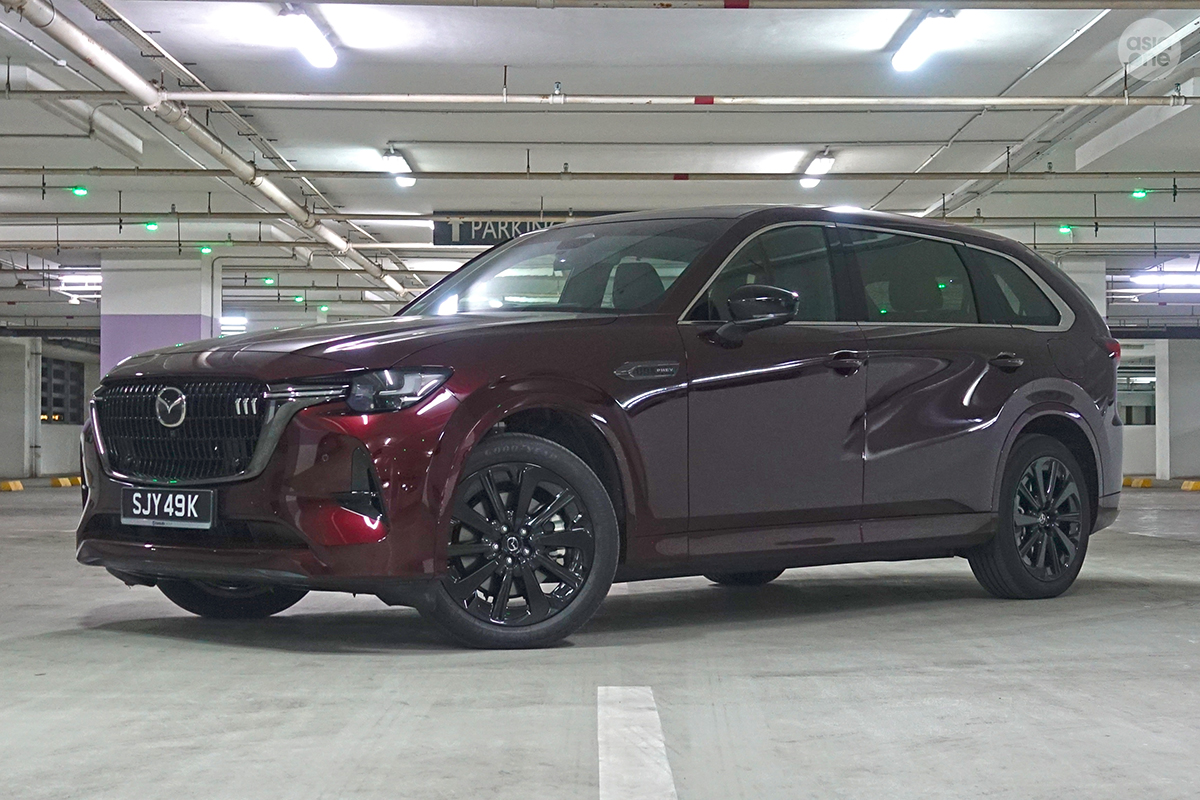
PHOTO: AsiaOne/Ben Chia
What is it? Mazda's first-ever PHEV introduction to Singapore, the CX-80, integrates seven-seater practicality with premium interior appointments.
Why is it worth considering? Japanese automakers have been comparatively slower in adopting PHEV technology than other manufacturers, with Mazda representing one of only two Japanese brands currently offering PHEVs in the local market, the other being Lexus.
The CX-80 marks Mazda's initial venture into the PHEV segment in Singapore, and at first inspection, it appears to be a genuinely impressive proposition.
Mazda CX-80 2.5 Luxury Sports
Battery size: 17.8kWh
Electric range: 60km
Total range: Not available
Combined power: 323hp
Combined torque: 500Nm
Mazda has not released an official figure for the CX-80's complete driving range, possibly due to the specific configuration of its hybrid system.
While capable of traveling approximately 60 kilometers using purely electric power, the vehicle typically functions similarly to a conventional hybrid, automatically switching between electric and petrol power sources based on efficiency calculations.
The system appears to consistently maintain some level of battery charge, with no available option to operate using solely the combustion engine. The continuous switching between power sources seems to impose considerable strain on the engine, creating the impression that the CX-80 operates more comfortably when the electric motor is actively engaged.
Beyond this characteristic, the CX-80 delivers an agreeable driving experience. Power delivery occurs smoothly, and the vehicle manages adequately at higher velocities. It also demonstrates reasonably competent handling for a large SUV, maintaining neutral balance that avoids excessive drama.
Most notably, the CX-80 provides outstanding ride quality, with its suspension system effectively smoothing out all but the most severe road imperfections without difficulty.
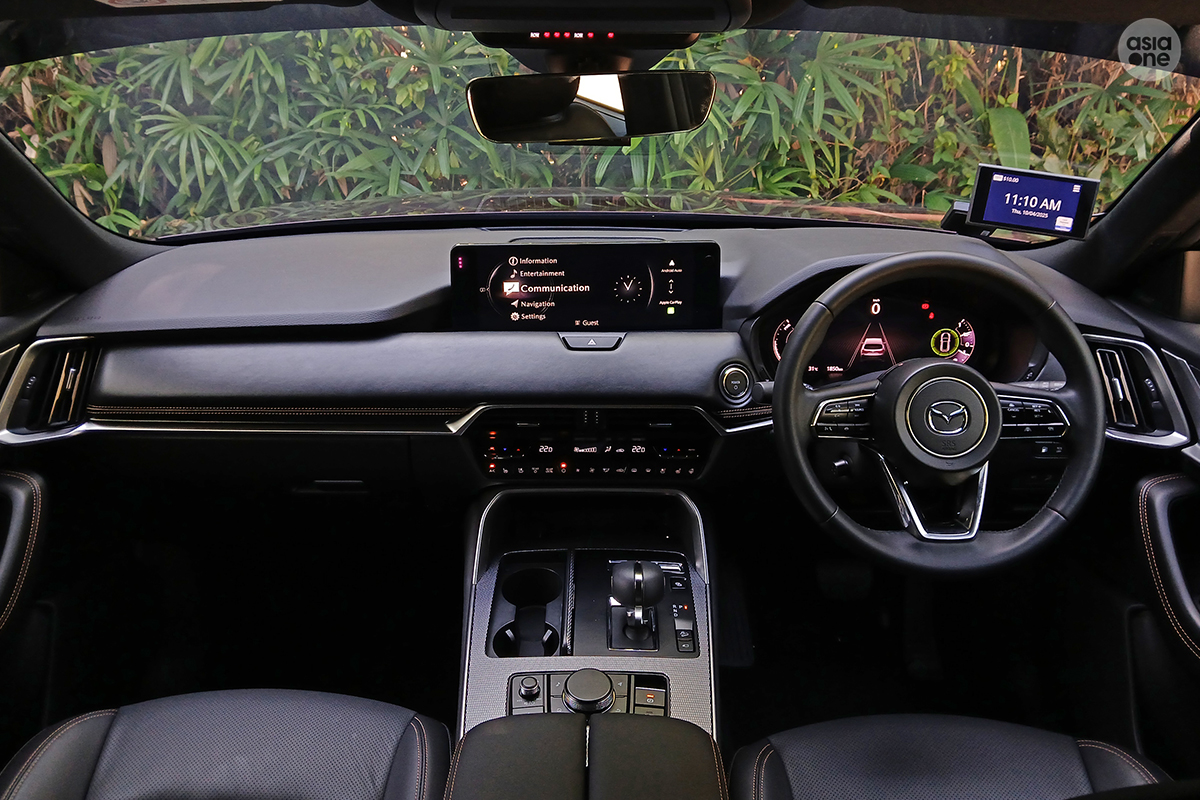
PHOTO: AsiaOne/Ben Chia
The interior projects an upscale atmosphere, featuring soft leather surfaces throughout, complemented by premium materials including wood trim and chrome accents that contribute to a luxurious aesthetic. There's also a pleasing traditional character to the design, evidenced by the absence of oversized touchscreens and the presence of numerous physical controls throughout the cabin.
Second-row occupants enjoy plentiful space, while the seats can be conveniently folded to access the third-row seating area. Most average-sized adults should find adequate comfort in the rear, though taller individuals might experience somewhat restricted legroom.
The CX-80 stands among the limited selection of seven-seater PHEVs available in the market, positioning it as an excellent choice for families requiring additional seating capacity. However, its price point of $368,888 including COE (as documented in October 2025) appears rather excessive, despite its comprehensive positive attributes.
Volvo XC60 T8
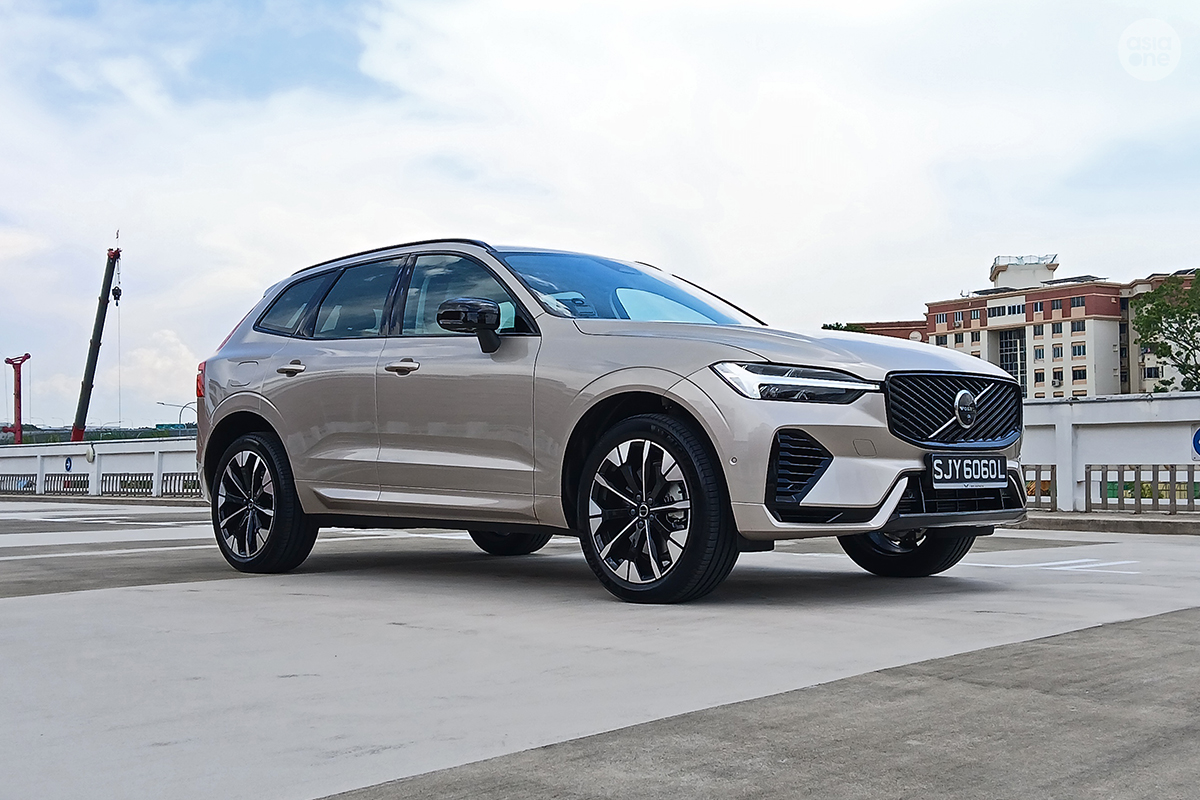
PHOTO: AsiaOne/Ben Chia
What is it? Volvo's refreshed XC60 PHEV incorporates updated technological features alongside substantial power output.
Why is it worth considering? The XC60 represents Volvo's most commercially successful model throughout its history, and experiencing the newly updated version clarifies the reasons for its popularity.
The T8 plug-in hybrid variant arguably constitutes the finest iteration of Volvo's popular SUV, thanks to its generous power reserves and user-friendly character.
Volvo XC60 T8 Plus
Battery size: 18.8kWh
Electric range: 67km
Total range: Not available
Combined power: 455hp
Combined torque: 709Nm
Similar to the Mazda CX-80, Volvo does not publish an official figure for the vehicle's total driving range. This omission likely reflects that the XC60 T8 appears engineered more for performance characteristics than efficiency optimization.
The vehicle generates more power than a base specification Porsche 911 Carrera, achieving the 0-100km/h acceleration benchmark in merely 4.9 seconds.
It accomplishes this with considerable composure, with the engine producing a satisfying growl as you depress the accelerator and rapidly distance yourself from surrounding traffic.
Regarding handling dynamics, the XC60 has never positioned itself as the most engaging SUV to drive. Instead, it strikes an effective balance between comfort and sportiness, exhibiting well-mannered assurance that inspires confidence provided you don't approach its performance limits.
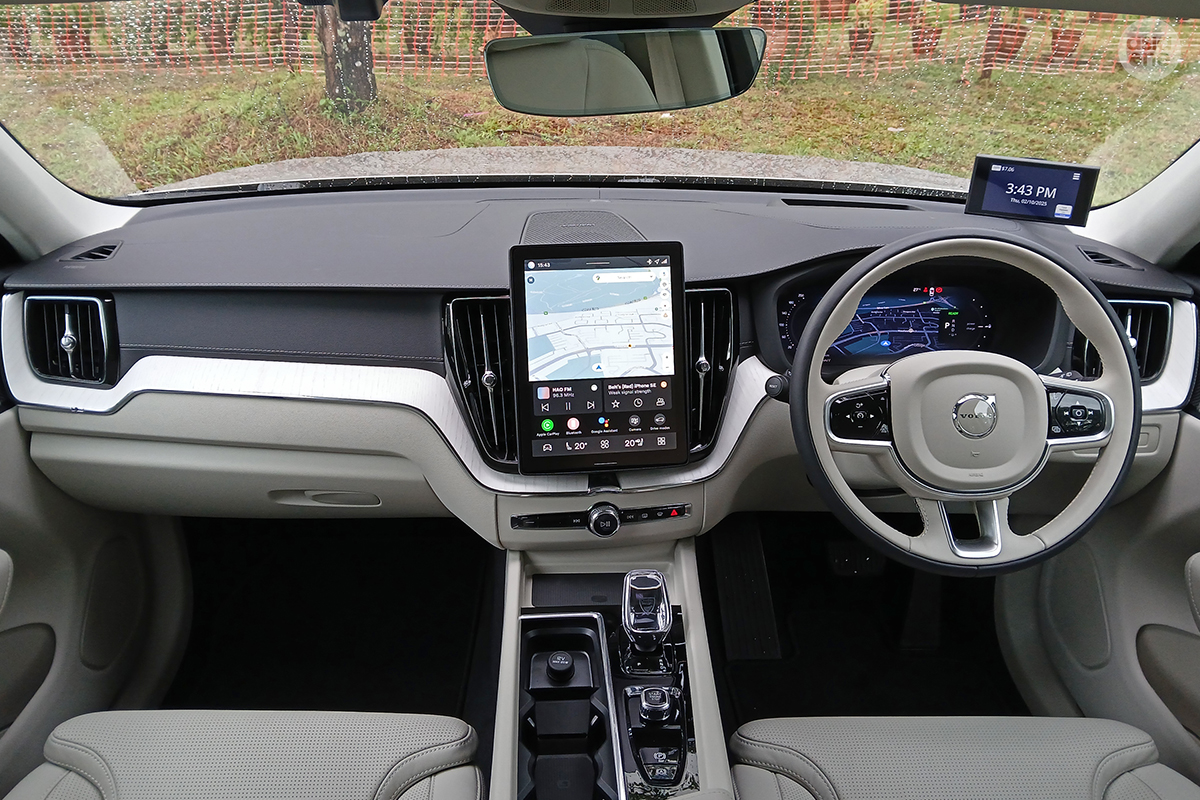
PHOTO: AsiaOne/Ben Chia
The XC60's interior has undergone subtle revisions, with the principal modification being the new 11.2-inch portrait-oriented infotainment display operating on Google's Android Automotive platform.
The system proves surprisingly straightforward and intuitive to operate, though disappointingly, Apple CarPlay connectivity remains available only through wired connection.
Beyond this limitation, the interior provides a sufficiently pleasant environment, featuring thoughtful details such as the crystal glass gear selector.
Priced at $379,000 including COE (as recorded in October 2025), the Volvo XC60 T8 doesn't qualify as inexpensive. However, given its readily accessible explosive performance, it likely represents good value for buyers seeking a practical PHEV SUV with sports car-caliber acceleration.
Land Rover Defender 110 PHEV
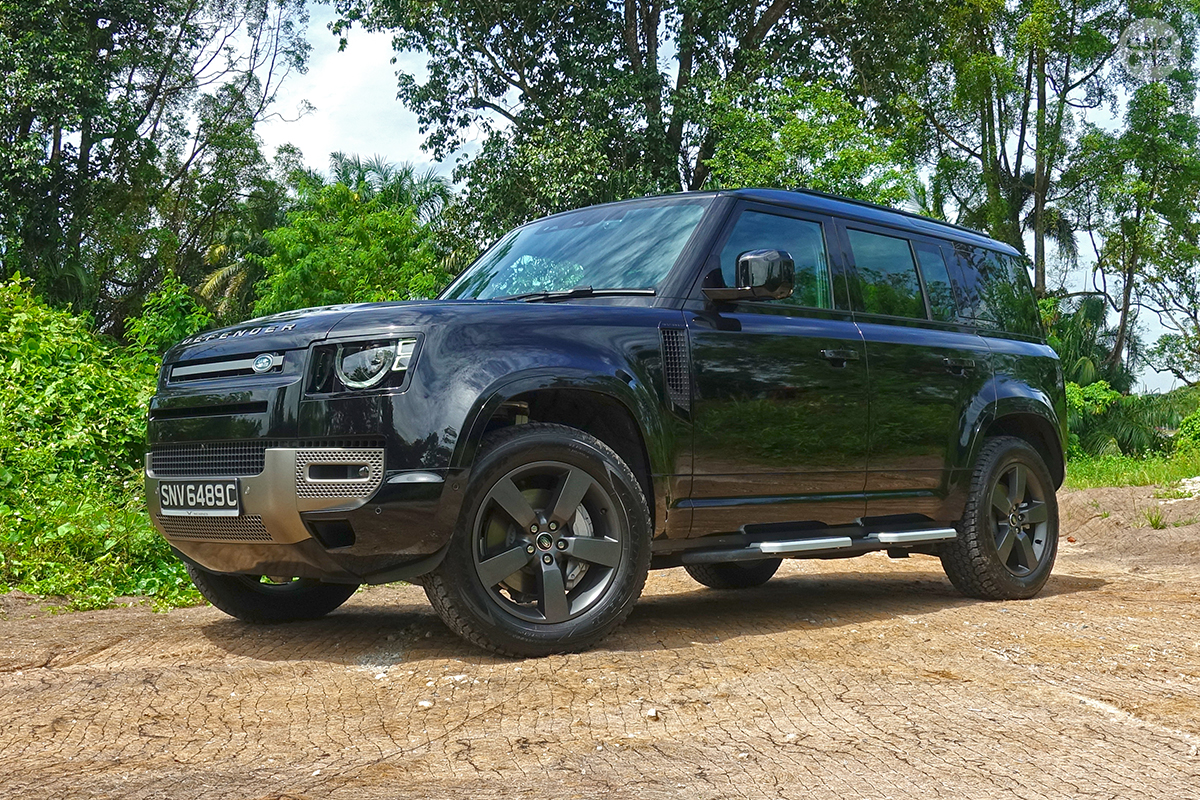
PHOTO: AsiaOne/Ben Chia
What is it? Land Rover's iconic Defender off-road vehicle receives plug-in hybrid powertrain technology for the first time.
Why is it worth considering? Among all available vehicles, the Land Rover Defender probably represents the model least expected to feature a plug-in hybrid drivetrain.
After all, this is a vehicle designed to scale mountains and ford rivers effortlessly while conquering the most challenging terrain imaginable. Where exactly would one locate charging facilities in remote wilderness areas?
Nevertheless, the Defender now includes a PHEV variant, serving as an indication of evolving automotive trends.
Land Rover Defender 110 2.0 X-Dynamic HSE
Battery size: 19.2kWh
Electric range: 38km
Total range: Not available
Combined power: 296hp
Combined torque: 625Nm
Compared to most contemporary PHEVs, the Defender offers a relatively limited pure electric range of merely 38 kilometers. This likely indicates the vehicle's design priorities, suggesting that while electric-only operation is possible for brief periods, you'll predominantly utilize the petrol engine during normal use.
The 2.0-liter engine doesn't rank among the most powerful available, but it manages to propel the Defender's 2.5-tonne mass reasonably effectively. The vehicle can achieve highway speeds with relative ease, though it undoubtedly feels more at home on off-road trails than on racing circuits.
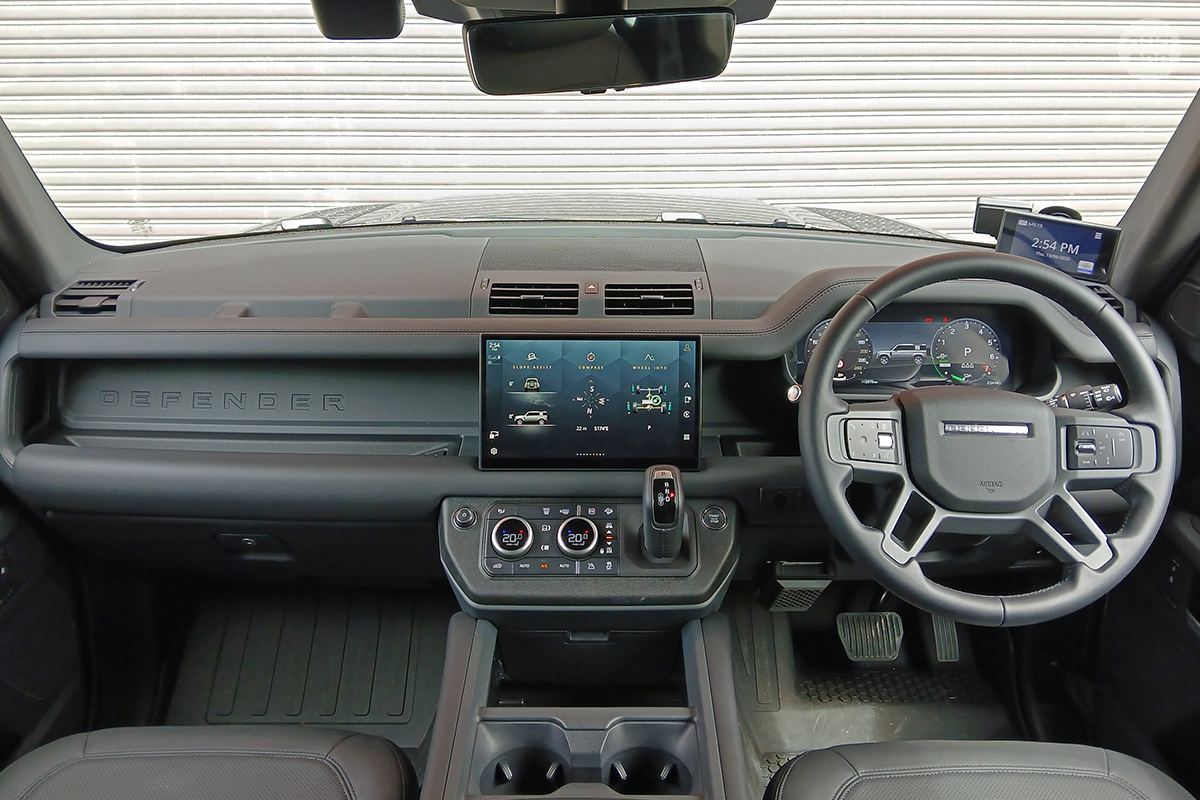
PHOTO: AsiaOne/Ben Chia
The remainder of the vehicle maintains characteristics consistent with other Defender models, featuring the same robust styling and durable interior that presents both a rugged appearance and contemporary design elements simultaneously.
This is unequivocally a vehicle you could take camping in remote forest areas without concerns about its ability to withstand natural elements.
Land Rover's authorized Singapore dealer Wearnes Automotive lists the Defender PHEV at $336,888 excluding COE, which actually positions it as the most affordable Defender variant currently available.
However, considering current COE pricing, the final purchase price would still approach approximately $480,000.
This undoubtedly represents substantial expenditure, but then again this constitutes a different category of PHEV, one capable of performing tasks that few other vehicles can accomplish.
No part of this article can be reproduced without permission from AsiaOne.
For more original AsiaOne articles, visit here.
Advertisement
Advertisement


Advertisement


